
HCMC breaks ground on 8 projects worth nearly 250 trillion VND: Infrastructure paves the way for a new development cycle
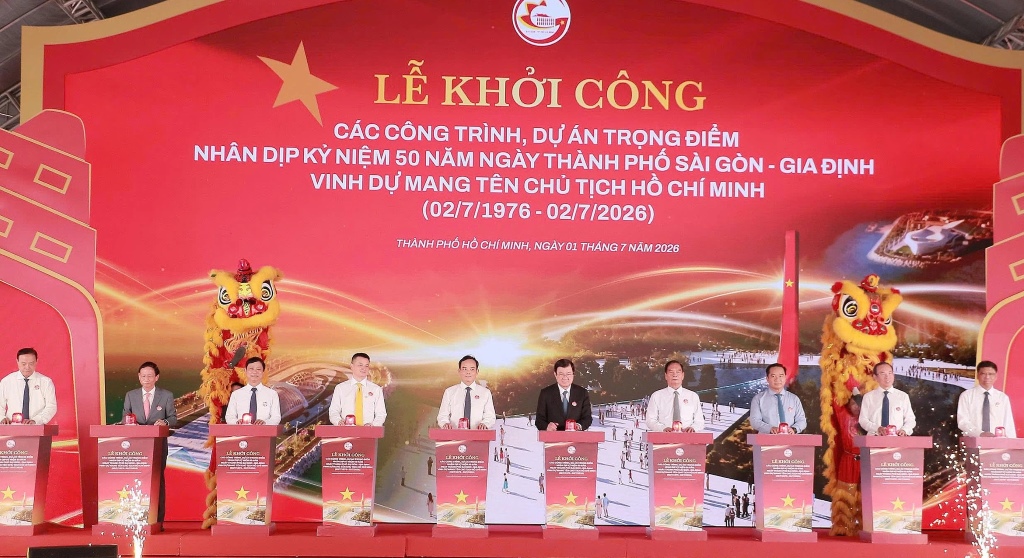
On July 1, 2026, HCMC simultaneously commenced 8 key projects with a total capital of nearly 250,000 billion VND, spanning across the fields of transport, logistics, seaports, and riverside public spaces. The event was held at the Ben Nha Rong area, Xom Chieu Ward, as part of the series of activities celebrating the 50th anniversary of Saigon – Gia Dinh officially bearing the name of President Ho Chi Minh.
This is considered one of the largest-scale infrastructure commencements in HCMC in 2026, not only solving the problem of inner-city and inter-regional connection but also opening up more development room for real estate, commerce, tourism, seaports, and logistics in the Southern region.
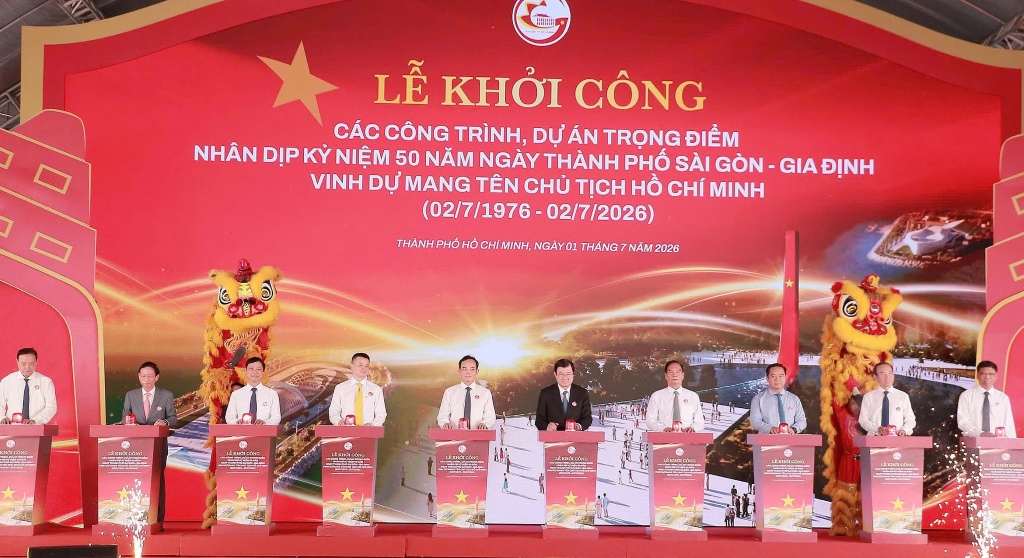
HCMC breaks ground on a series of projects worth nearly 250 trillion
According to the announced information, the group of projects commenced this time includes works that play a strategic connecting role between HCMC and Can Gio, Vung Tau, Long Thanh, Ho Tram, Tay Ninh, the West – South areas of the city, and the Cai Mep – Thi Vai seaport system.
Outstanding projects include:
These works are expected to create more development momentum for HCMC and the Southeast region in the post-merger period, as the urban scale, population, and regional connection needs increasingly rise.
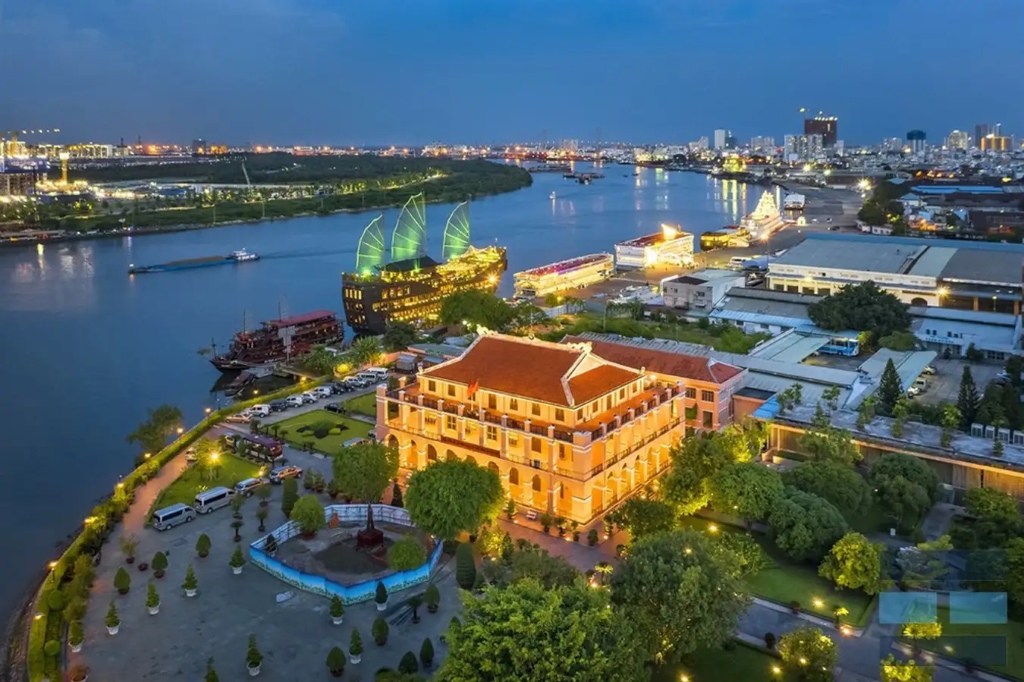
Ben Nha Rong – Khanh Hoi Cultural Park: Reshaping the Saigon Riverfront Space
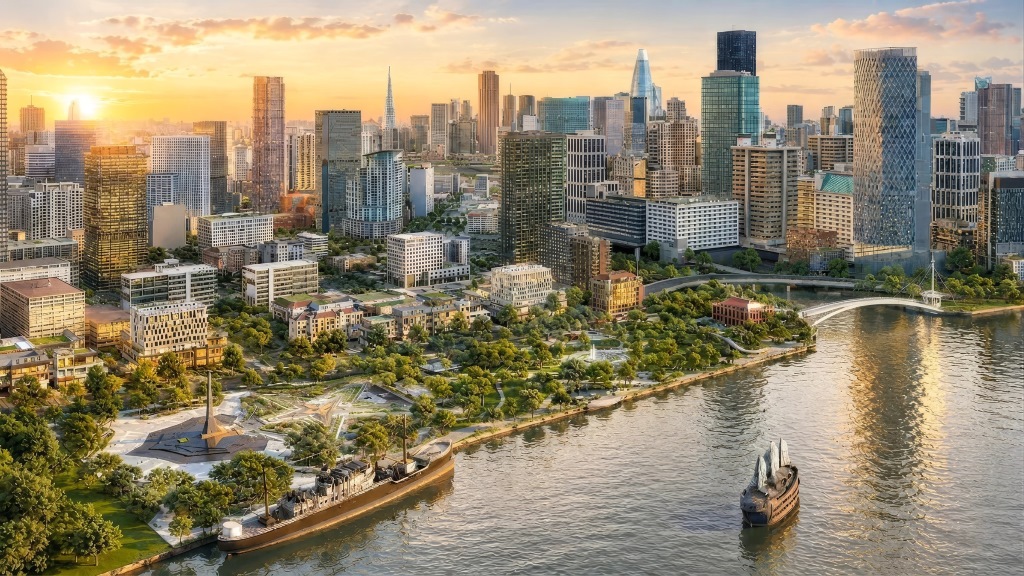
One of the most anticipated projects is the Ben Nha Rong – Khanh Hoi Cultural Park and Ben Bach Dang public greenery, covering about 73.3 hectares with a total investment of over 29,300 billion VND under the PPP format.
The project includes many important items such as expanding Nguyen Tat Thanh Street from 4 to 10 lanes, building the Hoang Dieu underpass, upgrading Tan Thuan Bridge, expanding Tan Thuan 2 Bridge, and partially placing Ton Duc Thang Street underground to develop a parking lot and underground commercial center. The two banks of the Saigon River will also be connected by a pedestrian bridge, forming a system of parks, squares, and riverside community spaces.
In the long term, the Ben Nha Rong – Khanh Hoi area can become a new highlight of downtown HCMC, combining historical values, public spaces, urban tourism, and commercial services.
Can Gio – Vung Tau Sea-crossing Road: A boost for the Southern marine economy
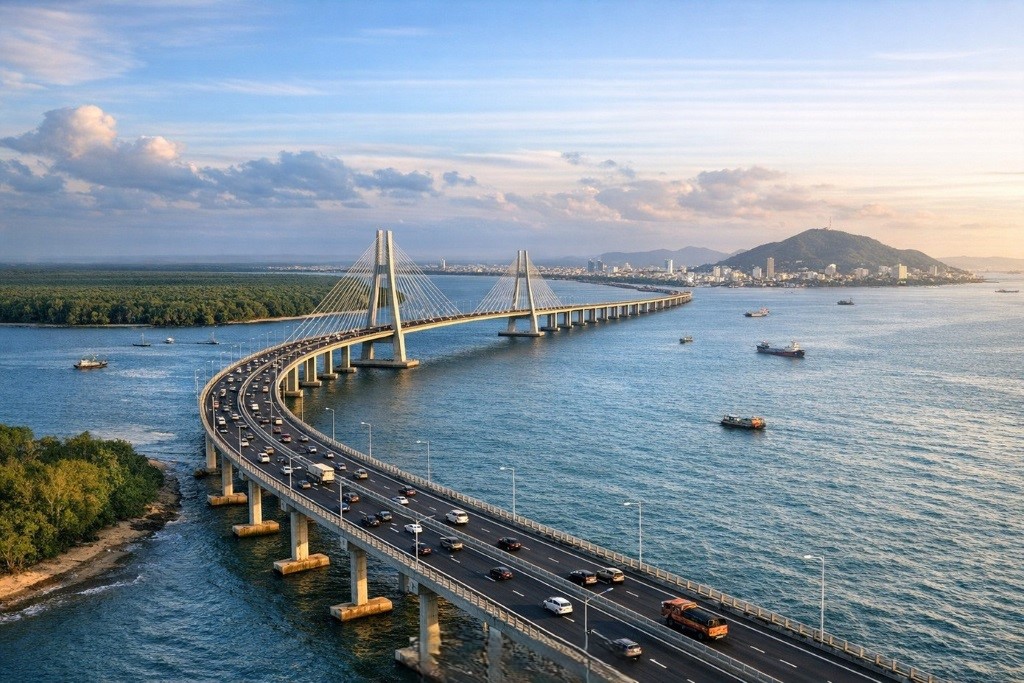
The project with the largest total capital in this phase is the Can Gio – Vung Tau sea-crossing road, with a total investment of about 93,000 billion VND. The route is over 14 km long, featuring 6 lanes, including more than 8 km of sea-crossing bridges and nearly 3.9 km of sea-crossing tunnels.
According to information from HCMC authorities, once completed, this project can shorten the travel time between Can Gio and Vung Tau to about 10 minutes, while simultaneously supporting the development of the Can Gio beach tourist area, Long Son industrial park, Cai Mep – Thi Vai port cluster, and reducing traffic pressure on National Highway 51.
This is a project with a huge impact on the Southern marine economic axis, especially in the context that Can Gio is oriented to become a new development space for HCMC.
Ho Tram – Long Thanh Expressway: Connecting the international airport with coastal tourism
The Ho Tram – Long Thanh International Airport urban expressway has a total capital of nearly 47,000 billion VND, a length of over 42 km, 6 lanes, and a design speed of 100 km/h. The route passes through the areas of Tan Thanh, Kim Long, Ngai Giao, Ho Tram, and Xuyen Moc.
The project is expected to directly connect Long Thanh airport with the Ho Tram tourism center, creating a new development corridor for resort real estate, commercial services, coastal tourism, and logistics in the East of HCMC. According to the plan, the project will be implemented in the 2026–2029 period.
HCMC – Moc Bai Expressway: Expanding the international trade gateway
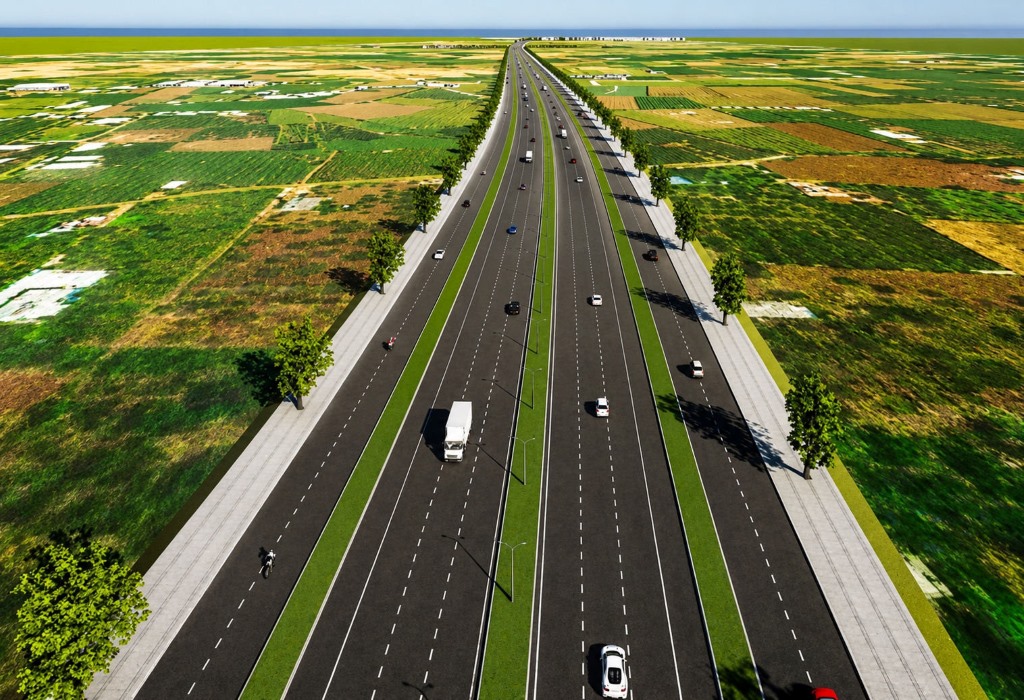
Phase 1 of the HCMC – Moc Bai Expressway has a total capital of over 19,600 billion VND according to updated sources on the groundbreaking day, with a length of about 50 km, initially building 4 expressway lanes with a design speed of 120 km/h.
This expressway plays a role in relieving National Highway 22, enhancing the connection between HCMC and Tay Ninh, Moc Bai international border gate, and Cambodia. In the long term, this is a crucial infrastructure axis to form a commercial, logistics, and border economic corridor in the Northwest of HCMC.
Cai Mep Ha: Increasing logistics and international transshipment capacity
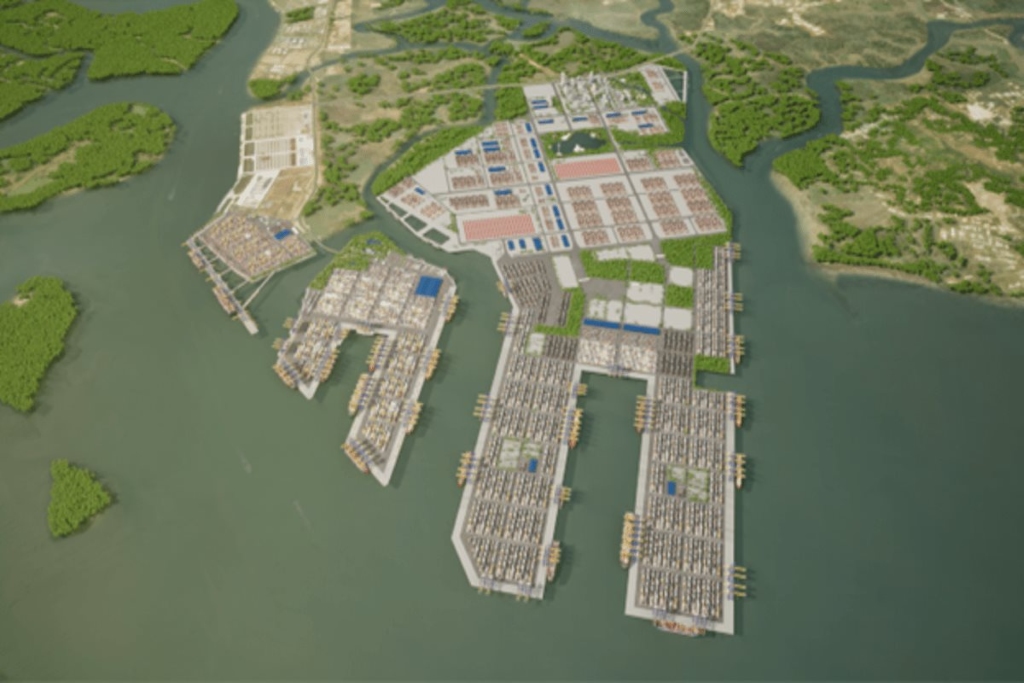
In the seaport sector, HCMC commenced phase 1 of the Cai Mep Ha general and container port project with a total capital of over 50,800 billion VND. The project has a scale of over 351 hectares, a port system about 7.5 km long, capable of receiving container ships up to 250,000 DWT, with a design capacity of 10.8 million TEUs per year.
Phase 1 is expected to be operational by the end of 2028, with the entire project completed by 2045. Once operational, Cai Mep Ha will contribute to enhancing the international transshipment capacity of the Cai Mep – Thi Vai area, while solidifying HCMC’s role in the regional supply chain.
Binh Tien Road & Bridge and strategic interchanges
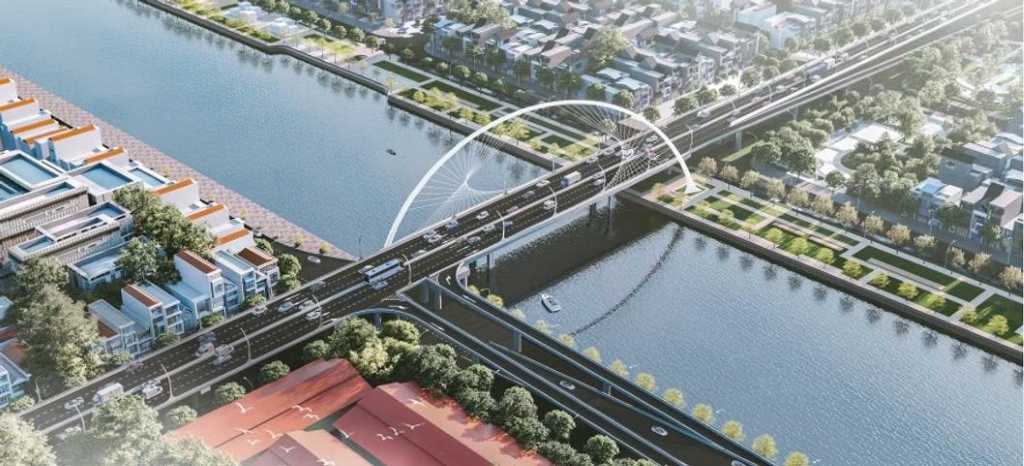
In the inner city, the Binh Tien road and bridge project has a total capital of about 6,000 billion VND, a length of about 3.2 km, and a scale of 4-6 lanes. The project connects Pham Van Chi Street to Nguyen Van Linh, crossing the Tau Hu and Doi canals, helping to increase connectivity between the West and the South of HCMC.
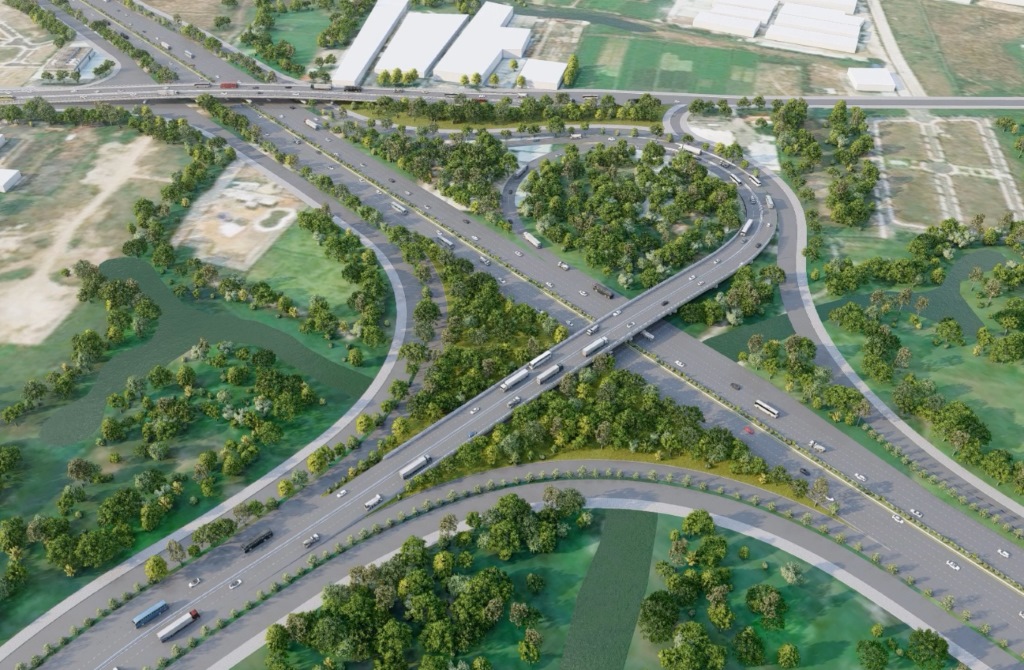
In addition, HCMC also commenced two important interchanges with the Ben Luc – Long Thanh Expressway, including the Rung Sac road interchange and the National Highway 50 interchange. The Rung Sac road interchange has a total capital of nearly 3,000 billion VND, improving Can Gio’s accessibility to the national expressway system. The National Highway 50 interchange has a capital of nearly 600 billion VND, supporting vehicles from Western provinces to connect to the Ben Luc – Long Thanh expressway to go to Dong Nai and Long Thanh airport without having to cross the inner city.
Impact on the real estate market of HCMC and surrounding areas
The simultaneous commencement of nearly 250,000 billion VND worth of projects by HCMC can create a significant impact on the real estate market in the medium and long term.
Firstly, the group of inter-regional transport projects will shorten the travel time between HCMC and Can Gio, Vung Tau, Ho Tram, Long Thanh, Tay Ninh, and the Western region. As infrastructure is completed, directly benefiting areas may record an increase in demand for housing, commercial services, warehousing, logistics, and tourism.
Secondly, seaport and logistics projects like Cai Mep Ha will increase the attractiveness for industrial real estate, logistics, and satellite urban areas around the seaport – airport – expressway corridor.
Thirdly, the Ben Nha Rong – Khanh Hoi Cultural Park and Ben Bach Dang public greenery projects can strongly upgrade the appearance of the Saigon riverfront center. This area has the potential to become an iconic urban space, supporting the development of commerce, services, tourism, and high-end real estate.
What should investors note?
Although infrastructure is an important factor driving the real estate market, investors should not just buy based on groundbreaking news. It is necessary to carefully check the legality, planning, actual connectivity, completion time, regional price levels, and real usage demand.
In particular, areas like Can Gio, Long Thanh, Ho Tram, Tay Ninh, the West and South of HCMC can benefit from the new infrastructure cycle, but the growth rate will vary depending on location, legality, and commercial exploitation capability. Projects currently developing in the Southern area such as Vlasta Premier, Arcadia at Lavila …. etc.
Conclusion
The series of projects worth nearly 250,000 billion VND commenced by HCMC on July 1, 2026, demonstrates the determination to expand urban development space, complete the inter-regional transport network, and upgrade Southern logistics capacity. From the Can Gio – Vung Tau sea-crossing road, Ho Tram – Long Thanh Expressway, HCMC – Moc Bai Expressway to Cai Mep Ha and the Ben Nha Rong – Khanh Hoi riverfront space, these projects all play an important role in shaping the new appearance of HCMC.
For the real estate market, this is a positive signal for a long-term development cycle. However, true opportunities will belong to areas with clearly implemented infrastructure, transparent legality, synchronized planning, and real usage demand.